How Delhi's best brands are turning stores into events
There's a shift happening in Delhi's best physical spaces, and it has nothing to do with square footage or inventory.
The brands that are winning right now aren't the ones with the most products on the shelf. They're the ones that have figured out something more valuable — that if you give people a reason to show up beyond buying something, they come back. And when they come back, they bring people.
The store is no longer just a store. It's becoming the best marketing channel a brand has.
The problem with a store that's only a store
For a long time, the logic of physical retail was simple. Open in a good location. Stock enough. Keep the lights on. Hope enough people walk in.
That model is under pressure. E-commerce now influences nearly one in three retail transactions in India, and with commercial real estate rents in Delhi rising significantly since 2021, the question every physical brand is being forced to answer is: why maintain large square footage of stock when a smaller, story-driven space can achieve more?
The brands that have answered that question well have all landed on the same insight. The physical store's advantage over e-commerce isn't convenience — it never was. It's the ability to make someone feel something. And the most reliable way to make someone feel something is to give them an experience, not just a product.
FES Café: the store that became a cultural moment
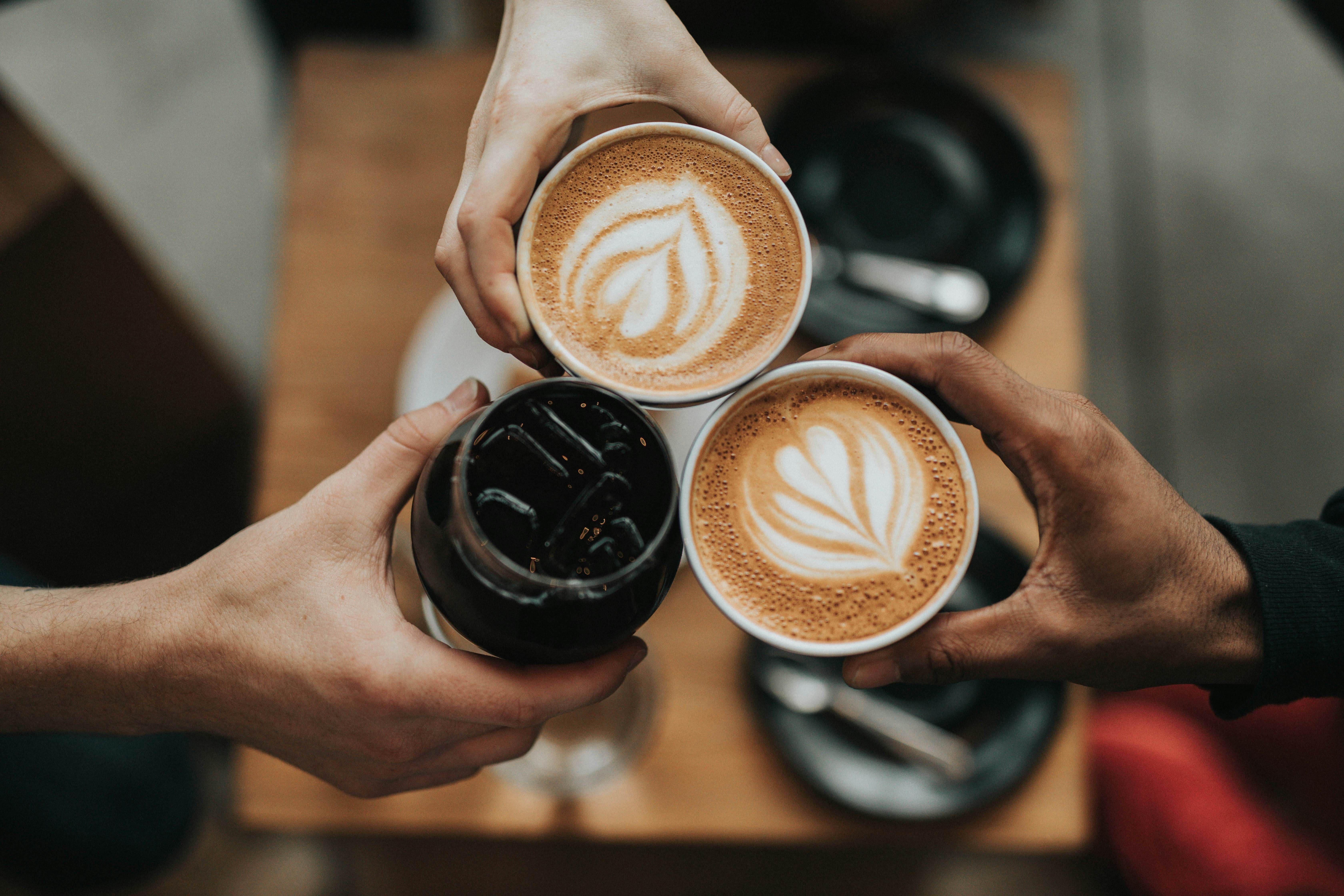
FES started as a dessert café in Galleria Market, Gurgaon. Good cookies, good coffee, eggless everything. Then it started hosting coffee raves.
The first one drew over 150 people into a 900 square foot café tucked inside a shopping centre — people spilling out into the passages. The format quickly evolved. Instead of rare large events, FES now hosts mini coffee raves every Thursday, quietly, without heavy promotion, and regulars look forward to it every week.
The founder Vidur Mayor describes it as being about energy, connection, and authenticity — not about excess or partying, but about great music, meeting like-minded people, and being part of something new.
The result is a café that people don't just visit — they belong to. The coffee rave isn't a marketing event bolted onto a product. It is the product. FES understood that the experience around the purchase is often more valuable than the purchase itself.
Nappa Dori: the store as a world
Nappa Dori makes leather goods. Bags, luggage, accessories — beautifully made, minimal, rooted in Indian craft but global in sensibility. They could have been a very good leather goods store. They chose to be something else.
When founder Gautam Sinha launched Café Dori in 2017 inside the Dhan Mill Compound in Chhatarpur — a derelict warehouse space — the idea was to go beyond dining and create a space that merges design and culinary arts: a multisensory journey, as he describes it.
The Nappa Dori Warehouse became a convergence of industrial vernacular — trusses, gargantuan pillars, a rolling shutter-door, raw unfinished walls — with the brand's quaint style of detailing: tools displayed in the atelier, antiques in treasure cabinets, hand-painted signage.
The store is now a destination. People drive to Chhatarpur — not a neighbourhood you make a casual trip to — because the space itself is worth the visit. The café sits inside. The leather goods are there. But the reason you come is the world Nappa Dori has built around both.
That world now has a presence in London, Dubai, and across twelve cities in India. Café Dori is present across Delhi, Gurgaon, Chandigarh, Mumbai, Dubai, and London. The store became the brand's best expansion vehicle.
What this means for the brands doing it right
The pattern across both examples is the same. The experience isn't separate from the product — it's an amplification of it. FES's coffee rave makes you understand FES's coffee better. Nappa Dori's warehouse makes you understand what Nappa Dori stands for before you've touched a single bag.
The restaurant and retail industry in 2025 bore this out clearly — consumers wanted more than good food or good products, they sought immersive spaces, themed environments, and experiences that felt like events. The future belongs to brands that stay imaginative about culture while building genuine neighbourhood relevance.
The brands paying attention to this in Delhi have understood something important: footfall that comes from curiosity converts better than footfall that comes from proximity. If someone drove across the city to be at your event, they came ready to engage.
This is what Hubb is built for
Hubb exists at the intersection of discovery and in-store experience. Every brand on Hubb — whether it's a café running Saturday tastings, a store hosting a workshop, or a restaurant doing a themed evening — has a way to list that experience and reach people who are actively looking for exactly this.
The discovery layer is there. The rewards are there. The community that shows up for this kind of thing is there.
If you're a brand that's already turning your space into something worth visiting, Hubb is where you meet the people who will come.
Discover experiences on Hubb
More in Industry Analysis